
 Polski
 Deutsch
 Français
 Nederlands
 Italiano
 Čeština
Spindle clamping force
calibration and measurement
Tool clamping force calibration – safety and machining stability.
Correct clamping force is essential for precise and safe CNC machine operation. Wear, contamination or mechanical misalignment can weaken clamping, cause tool holding issues or even damage the spindle.
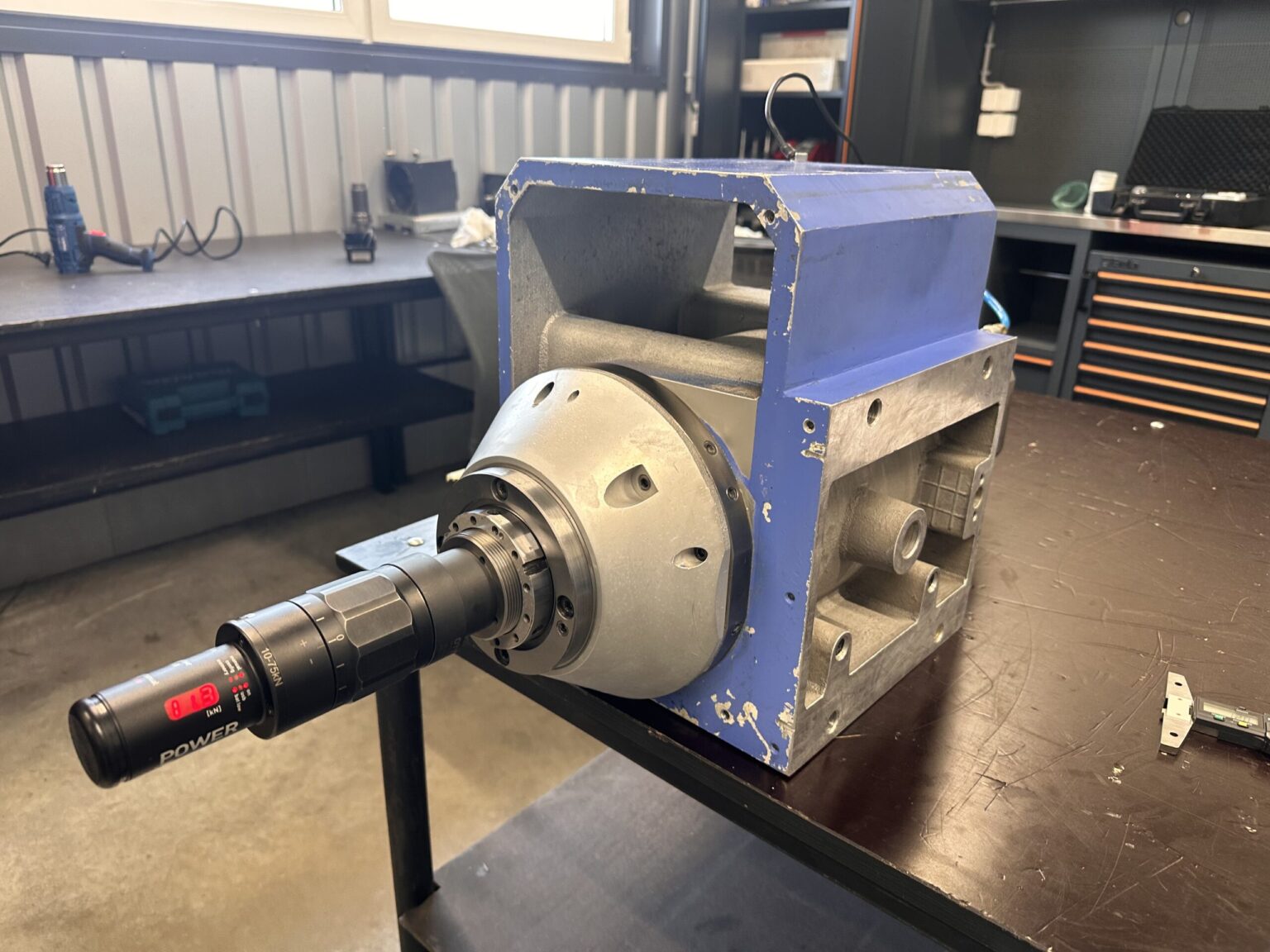
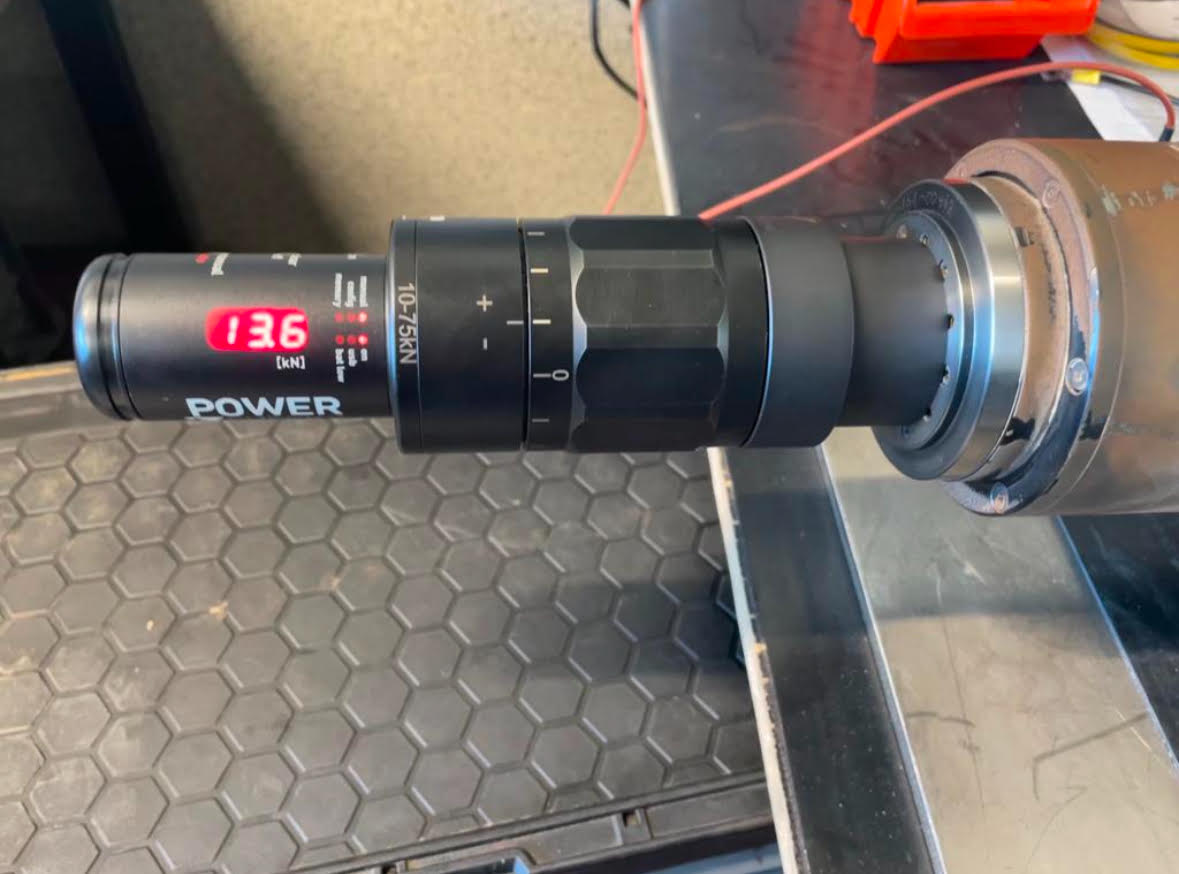
At BMS Spindle Service, we offer clamping force measurement and calibration to ensure your tool holding system works according to factory specifications. We use precise instruments to check spring clamping force and mechanical systems.
Regular clamping force control increases workplace safety, improves machining quality and extends the service life of both spindle and cutting tools.
Why tool clamping force
is essential for quality and durability
Correct tool clamping force in the CNC spindle directly affects machining quality and the durability of both tools and the spindle itself.
Too little clamping force or even NO CLAMPING at all can pose a serious risk TO THE OPERATOR’S HEALTH AND SAFETY
If the clamping force is too low or uneven, it may lead to:
- Tool runout and dimensional errors on parts.
- Vibrations that reduce surface finish quality.
- Excessive wear on tools and spindle.
Regular clamping force calibration allows precise adjustment of the clamping mechanism, minimizing the risk of errors and production losses.
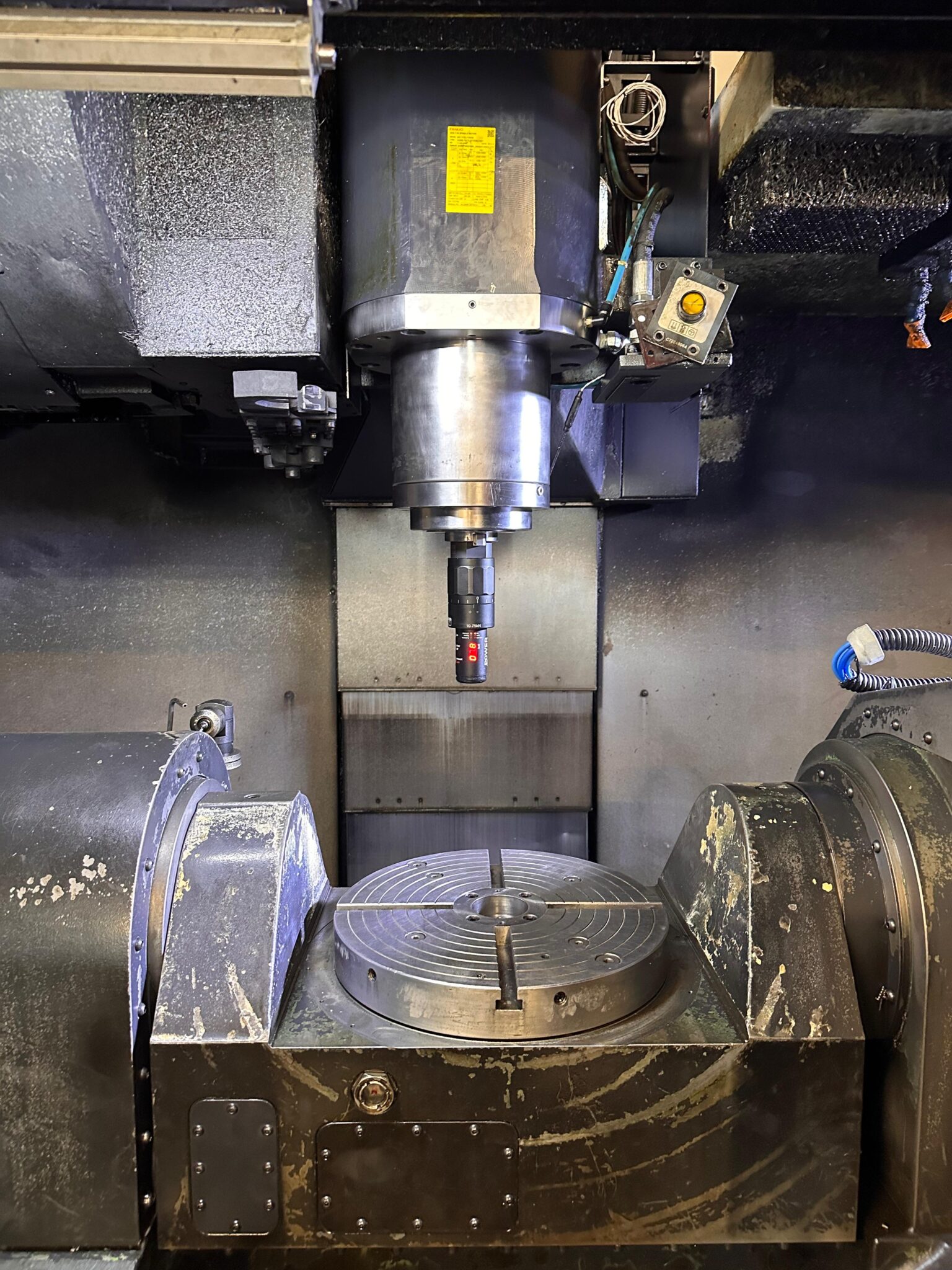
Spindle clamping force calibration
step by step
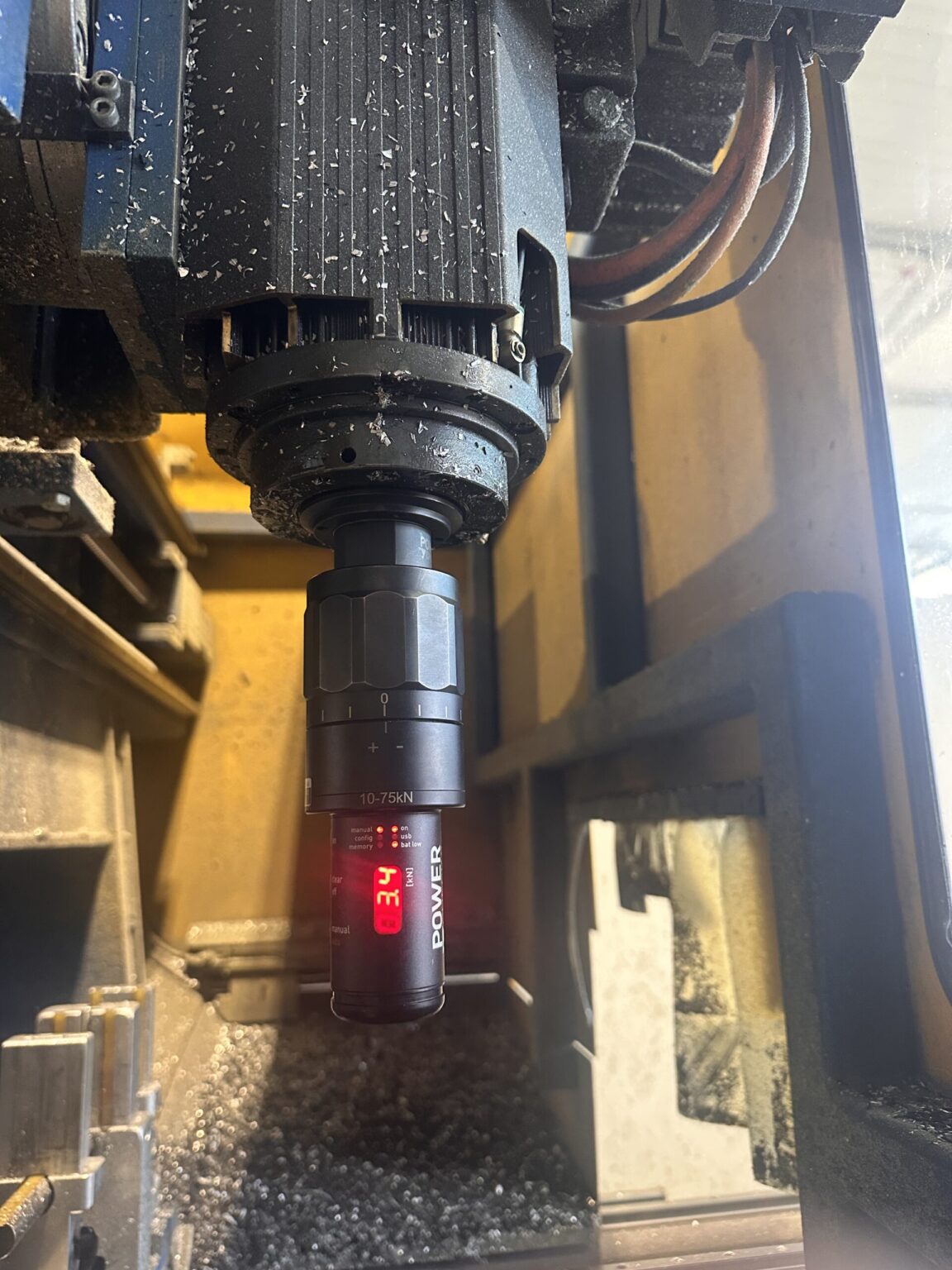
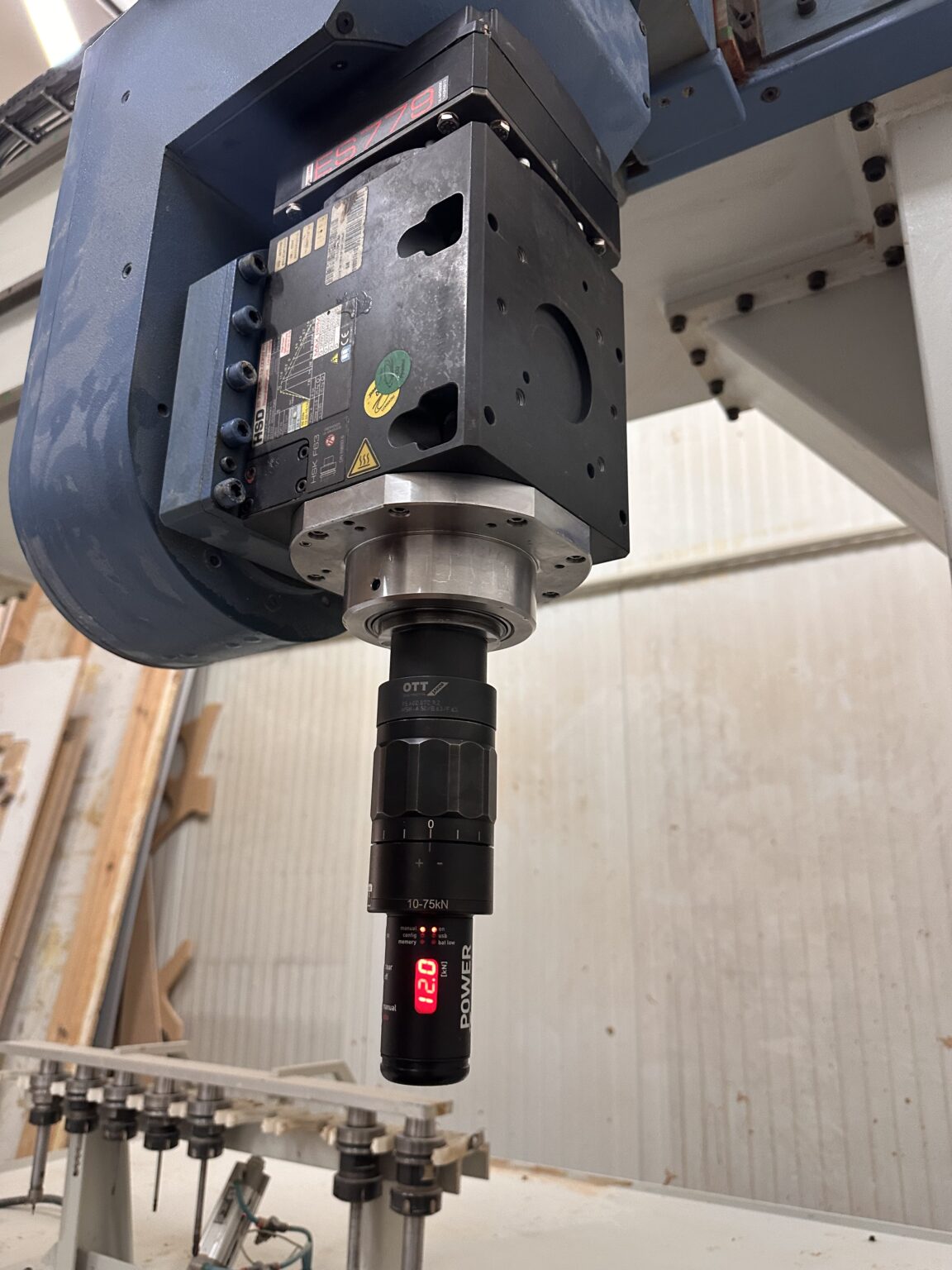
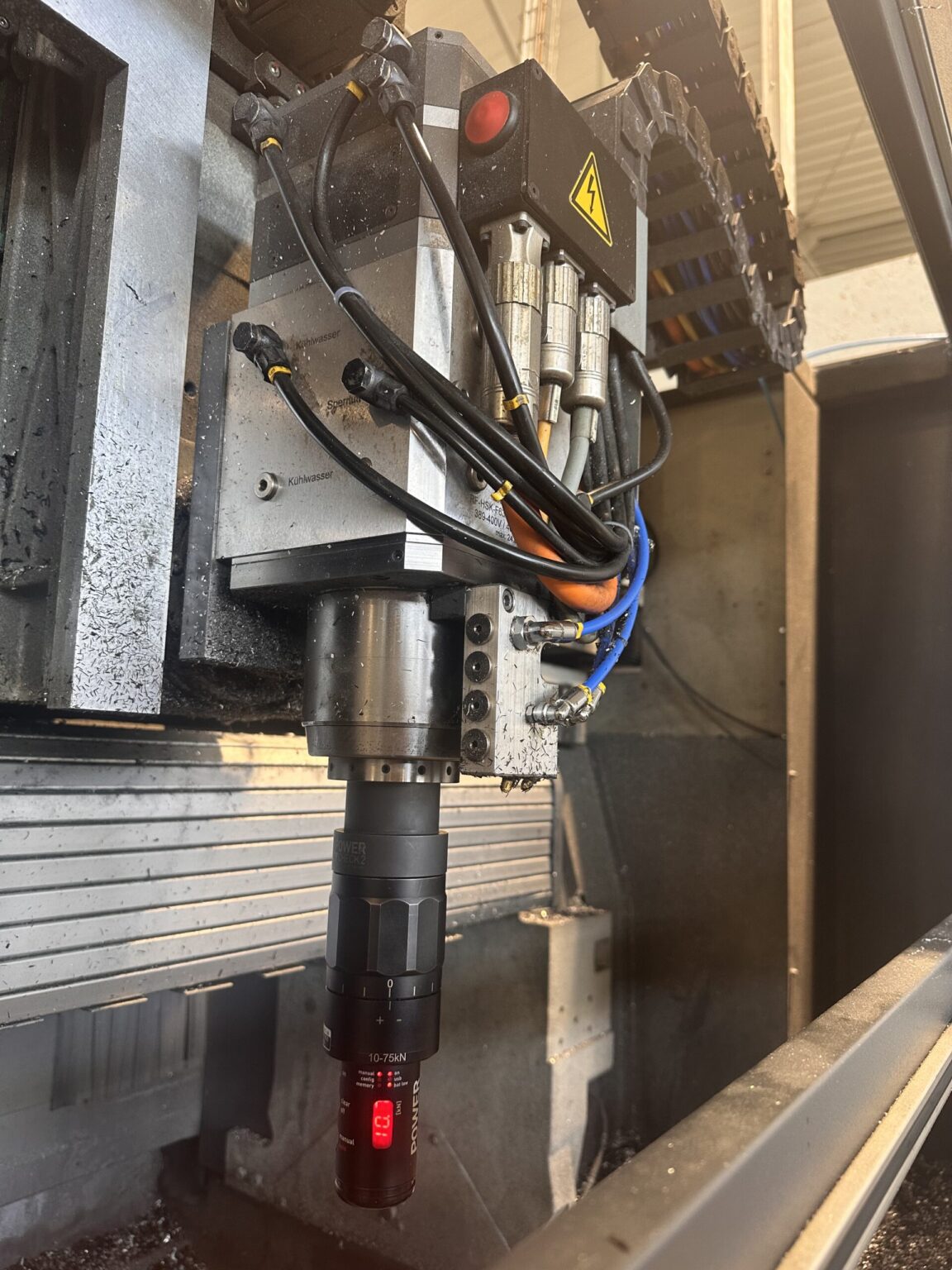
Each spindle clamping force calibration at BMS Spindle Service begins with a thorough diagnosis of the tool clamping system. By using certified force gauges and analyzing the components responsible for clamping pressure, we can precisely adjust the system in accordance with OEM standards and ensure consistent and safe tool holding.
Common clamping force issues
and how to fix them
Weak tool clamping
The tool may slip or fall out, leading to machining errors.
Solution – Clamping calibration and replacement of damaged components restore stable tool holding.
Spindle runout after tool installation
Incorrect clamping force can cause tool instability.
Solution – Accurate adjustment of the clamping force eliminates vibration problems.
Uneven tool wear
Too much or too little pressure causes premature blade wear.
Solution – Clamping force adjustment ensures even wear and extends tool life.
Frequently
Asked Questions
Spindle clamping force
measurement and calibration
Ensure precise tool holding – request a clamping force test and avoid tool slippage or machining errors.
-
Precise tool clamping force measurements
-
Calibration according to OEM specifications
-
Certified measurement report
Request a quote